Have a private well? You are responsible for testing your water to make sure it's safe for human consumption.
We can help! This is the right place for you, if:
- You are in Canada
- You use water from a private well at home for drinking, washing, cooking, preparing foods, etc.
- Want to make sure the water you and your family use at home is safe
If you get your water from a private well, you need to test it regularly for bacteria and other harmful contaminants. Some water quality issues only impact the way the water tastes or smells. But in some cases, consuming contaminated water can make you sick even if the water doesn't taste or smell unpleasant. It can even be fatal, especially for the young and elderly. Some contaminants won't make you sick right away, but in the long run can damage organs such as the brain, the liver, the kidneys and the reproductive system. So protect the health of your family- test your water regularly!
Looking for more detailed information on well water and health? Visit Health Canada
How to Test Your Well Water
Your Public Health Unit and/or accredited lab will have its own specific procedures and guidelines - be sure to follow them!
Results will be unreliable if the sample is improperly collected, stored or transported, so make sure to read and follow all instructions on:
- completing and submitting the test forms
- collecting, labeling and storing your water sample
- handling and transporting the sample back to the lab for testing.
Testing the water quality of your well is straightforward!
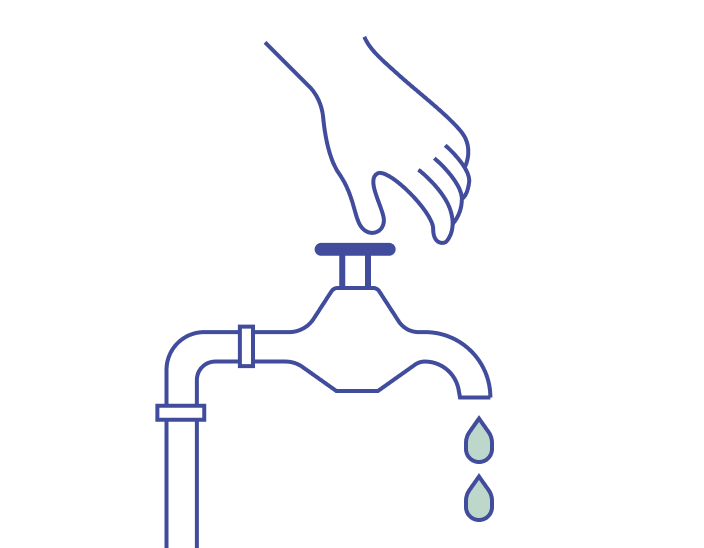
1. Take a water sample
- Wash your hands and handle the container carefully, or your sample could get contaminated and give you inaccurate results. Do not rinse the container before filling! It may contain a preservative.
- Find the most frequently used tap in the home (usually in the kitchen).
- Follow the instructions provided by the Public Health Unit and/or accredited lab. This may include removing any attachments from the tap (for example, an aerator or a faucet filter), disinfecting the end of the faucet, or running the water until it is cold (usually a few minutes).
- Fill the collection container to the fill-line (maximum amount) and close the container immediately. If it is a bottle, make sure the lid is on tight!
- Keep the sample cold (e.g. refrigerated but not frozen).
- Fill out the forms with all relevant details (where and when the sample was taken, etc.).
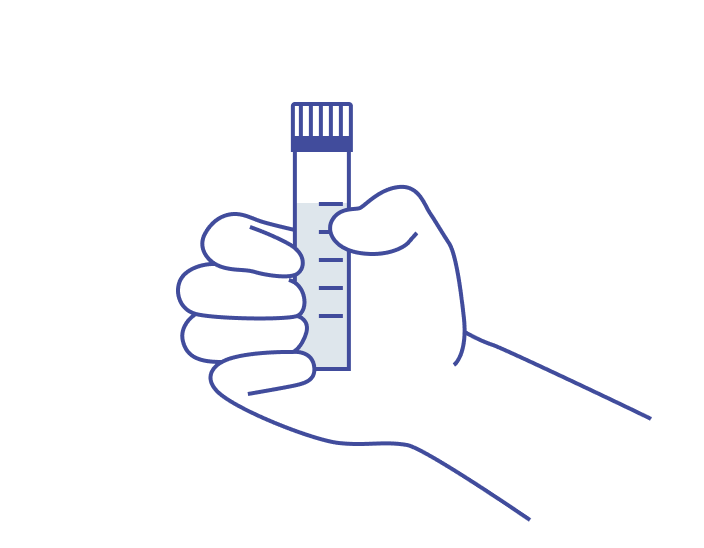
2. Return your water sample
Send or bring your sample back within 24 hours to ensure you get accurate results.
- Make sure you have filled out the required forms completely.
- Clearly label the sample by printing your name and sample location on the collection container.
Follow the instructions on how to package and return your sample. Note that labs will only accept samples if they are submitted in approved containers.
3. Receive your results
- The lab will indicate when and how you will be contacted with your results (online, automated phone line, mailed report)
- You can expect your results to be available within 1-2 weeks for bacteriological analysis, and 6-8 weeks for routine chemical analysis
- Your report will tell you whether or not your water is safe to drink. If you aren’t sure how to interpret your results or what to do next, your local public health authority can help.
Find a Lab
Want to know where to pick up test kits and/or drop off your water samples close by? Start here (postal code look up).
Your local Public Health Unit can answer any questions you may have about water quality in your area. They may also provide collection kits to test for bacterial contamination. For chemical tests (sulfur, nitrates, etc.) you will need to contact a licenced laboratory.
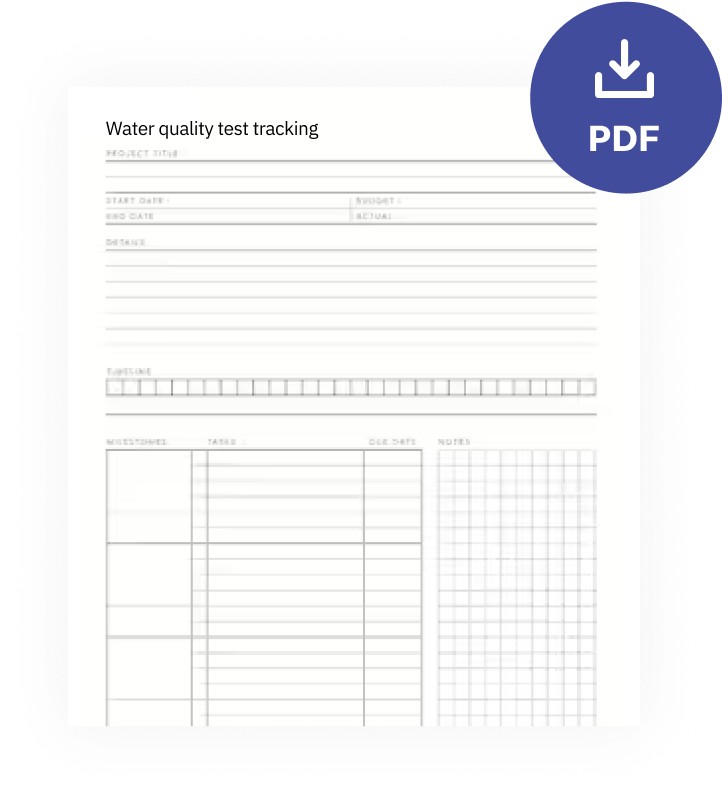
Want help keeping track of your tests and results?
Record your test results – it will help you detect any potential problems early, and notice changes over time. If problems do arise, good records will help your local well expert make a proper diagnosis. Proper records will also be useful to any future owners of the home.
Download our sample test report and use it to record your results - it will be a handy reference!